
Overview
Key Features
- Dynamic Fauna Catalog: Displays detailed profiles of Indonesia's endangered animals fetched directly from a MySQL database, including latin names, conservation status, population data, and motivational quotes.
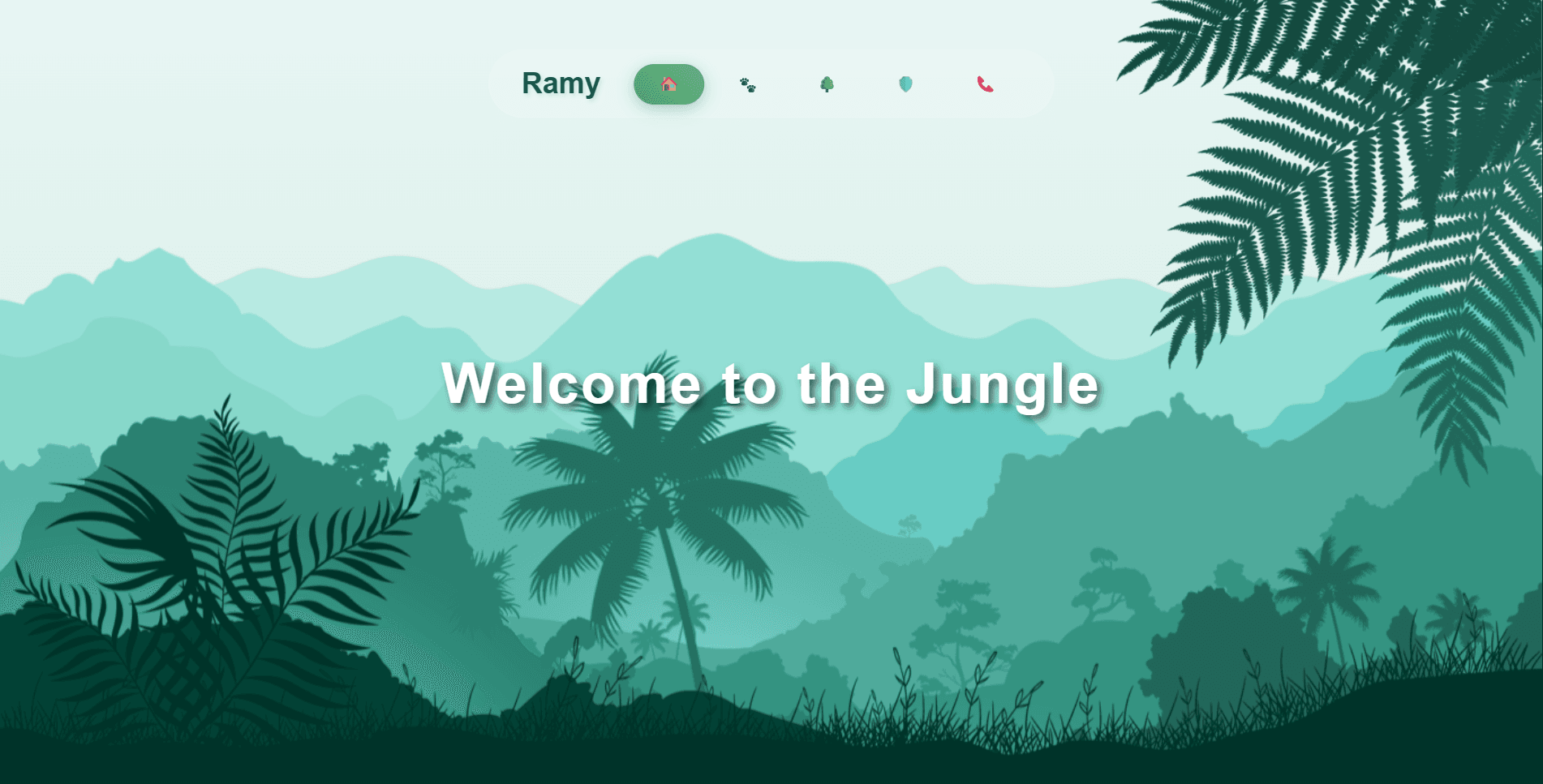
- Parallax Scroll Experience: Implements a multi-layer parallax effect on the landing page using layered PNG assets (hill1–hill5), creating an immersive jungle atmosphere as users scroll.
- Interactive Habitat Map: Integrates Leaflet.js to render an interactive map of Indonesia, plotting real wildlife habitat locations with markers and popups pulled from the database via REST API.
- REST API Architecture: Provides two structured PHP-based REST APIs (API.php for habitats, APII.php for animals) supporting filtering, search by name, status-based filtering, and pagination.
- Conservation Program Page: Dynamically renders conservation cards from the wildlife_habitats table, showcasing national parks and their protected species.
Technologies Used
- PHP: The primary server-side language handling routing, database queries, and REST API responses.
- MySQL (via XAMPP): Relational database storing two core tables — kewan (animals) and wildlife_habitats — with structured data on species, locations, and conservation status.
- HTML/CSS/JavaScript: Frontend stack handling UI rendering, parallax scroll logic, hamburger navigation, and dynamic content interaction.
- Leaflet.js: An open-source JavaScript library used to render the interactive wildlife habitat map with custom markers and popups.
- REST API (Custom PHP): Two custom-built API endpoints serving JSON responses for animal and habitat data, supporting multiple query actions including pagination and statistics.
- XAMPP: Local server environment used to run Apache and MySQL, enabling the full stack to operate without cloud infrastructure.
Challenges and Learnings
Project Repository
Bash